
A smart approach to seasonal maintenance of playgrounds in Western Canada.
Westplay Team·

Seasonal maintenance is where most problems are prevented
In BC and Western Canada, weather drives wear: rain, freeze/thaw, heavy use in spring/summer, and debris in fall.
A simple seasonal playground maintenance routine keeps small issues from turning into expensive repairs.
Winter playground maintenance (as needed)
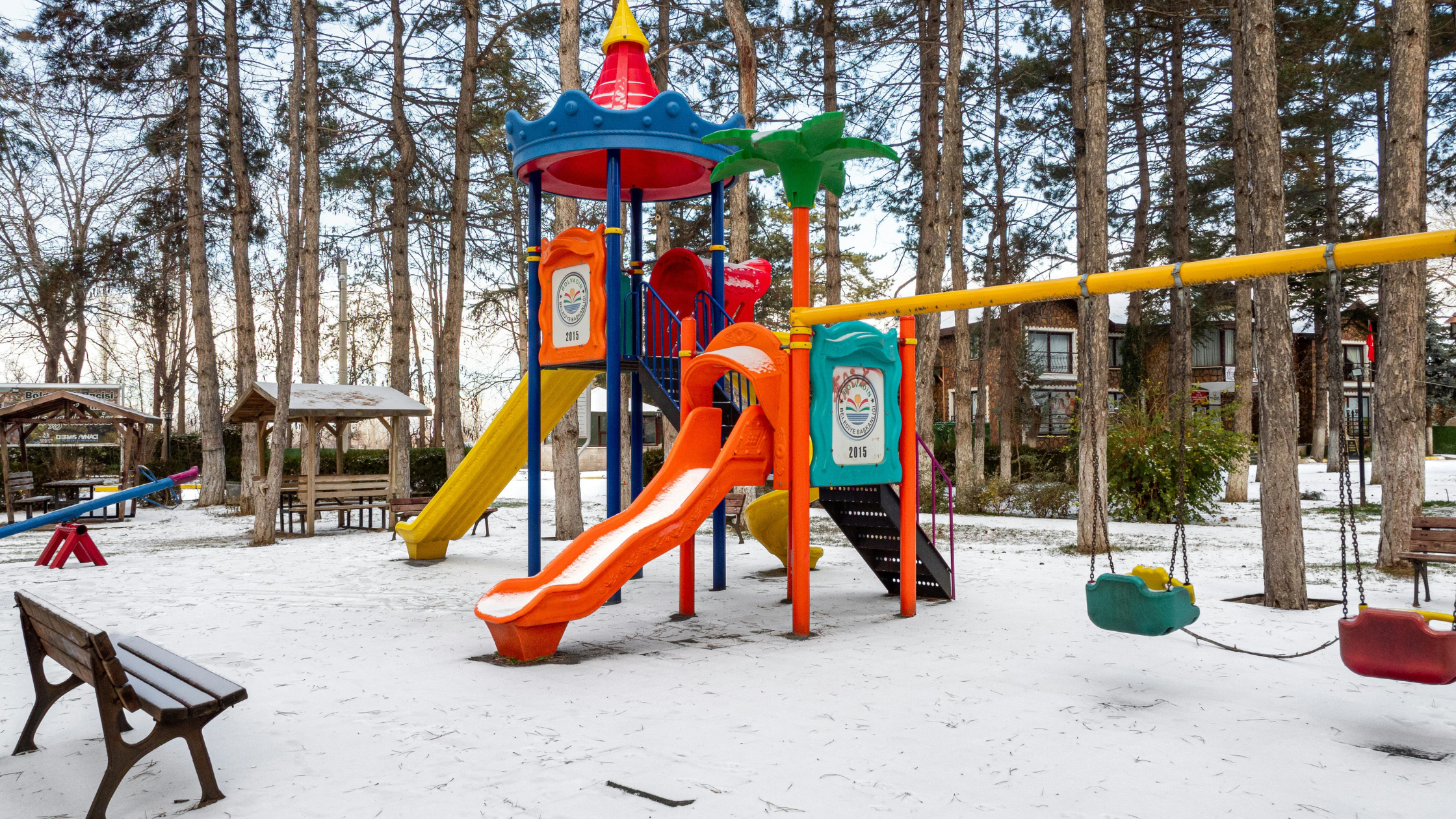
Winter is about safety and damage prevention.
What to do:
- Remove hazards after storms (branches, debris)
- Watch for ice buildup and slippery access routes
- Check drainage paths (pooling water becomes ice)
- Confirm signage/closures if your site requires it
Quick winter checklist
- Debris removed: Yes/No
- Drainage paths clear: Yes/No
- No obvious ice hazards at entries: Yes/No
- Any damage documented with photos: Yes/No
Spring start-up: spring playground inspection
Spring is your best time to do a more thorough walkthrough.
What to look for:
- Hardware loosened by freeze/thaw
- Surfacing low spots (especially at high-use landings)
- Drainage issues that showed up over winter
- Cracked components or worn moving parts
Spring playground inspection checklist:
- Full site cleanup complete: Yes/No
- Hardware check completed: Yes/No
- Surfacing even in high-use areas: Yes/No
- Borders/transitions intact: Yes/No
- Drainage/pooling issues noted: Yes/No
- Repair list created + prioritized: Yes/No
Summer peak-use (bonus)
Summer is when small wear points show up fast.
- Increase visual checks (higher traffic)
- Address small issues quickly (caps, loose hardware)
- Watch surfacing migration/low spots
Fall prep
Fall is about setting the site up for winter.
What to do:
- Clear leaves/debris from drainage paths
- Plan repairs before cold weather and rain windows close
- Confirm signage and borders are secure
Fall prep checklist:
- Drainage paths cleared: Yes/No
- Repairs scheduled before winter: Yes/No
- Surfacing/borders checked: Yes/No
- Records updated and saved: Yes/No