
Self-Cleaning Washrooms: The Truth About “Less Cleaning”

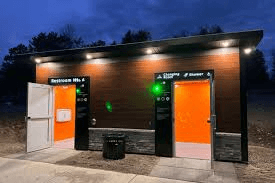
Self-cleaning washrooms can be a strong fit for parks, trailheads, campgrounds, and recreation centres—especially when staffing is limited and uptime matters.
But “self-cleaning” doesn’t mean “no maintenance.” Here’s a practical breakdown of what self-cleaning washrooms reduce, what they don’t, and how to plan operations in Western Canada.
Table of Contents
- What “self-cleaning” usually means
- What self-cleaning can reduce
- What self-cleaning does NOT reduce (or eliminate)
- Best-fit locations
- Next step
What “self-cleaning” usually means
Self-cleaning washroom features are designed to reduce manual cleaning frequency and help maintain a steady level of cleanliness. Features can include:
– Automated cleaning cycles for key surfaces
– Touchless operation to reduce contact points
– UV disinfection washroom features (where applicable)
– Automated flushing and rinse cycles
What self-cleaning can reduce
1) Daily labour hours (especially during peak season)
Self-cleaning can reduce the time spent on repetitive tasks—particularly in high-traffic public environments.
2) Hygiene variability
When cleaning depends entirely on staffing availability, results vary. Automated cycles can help keep baseline hygiene more consistent.
3) Closure time after heavy use
In some sites, the biggest cost is downtime. Self-cleaning features can support faster turnaround between peak periods.
What self-cleaning does NOT reduce (or eliminate)
1) The need for inspections
You still need routine checks for:
– Consumables (soap, paper, etc.)
– Waste removal
– Damage or misuse
– Odour control and ventilation performance
2) Vandalism risk
Self-cleaning is not the same as vandal resistant washroom design. In higher-risk locations, you still need:
– Durable materials and fixtures
– A response plan
– Clear policies for closures and repairs
3) Winter planning
In BC and Alberta, winter readiness can be the difference between “reliable year-round” and “seasonal shutdown.” Self-cleaning doesn’t replace:
– Freeze protection planning
– Access planning for snow/ice
– Seasonal startup/shutdown procedures
Best-fit locations
- High-traffic parks
- Trailheads with weekend surges
- Campgrounds with limited staff coverage
- Tourist sites where public perception matters
Next step
If you want to cut staff cleaning time and keep your washroom open and usable more often, we can help you compare models and confirm the best fit for your site.If you want to reduce cleaning load while improving uptime, we can help you compare options and confirm fit for your site.