
Shelter Placement Made Simple: A Step-by-Step Guide

A well-designed shelter can still underperform if it’s placed in the wrong spot. This guide answers a common planning question: where to place a park shelter so it delivers comfort, usability, and long-term value.
Table of Contents
- 1) Shade: plan for the hours that matter
- 2) Wind exposure (general): design for comfort
- 3) Drainage under pavilion: protect usability
- 4) Accessible routes: make it easy to reach
- 5) Sightlines and safety
- Common placement mistakes to avoid
- How Westplay supports shelter placement and planning
1) Shade: plan for the hours that matter
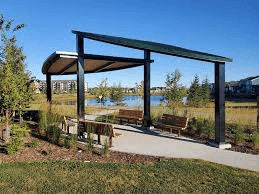
Start with the space that will be used most. Then confirm the sun path and where shade will fall during those hours. A shelter placed without sun-path thinking can miss the target zone and feel like a wasted investment.
2) Wind exposure (general): design for comfort
In open fields, waterfront areas, and large clearings, wind exposure can reduce comfort even when there’s shade.
Planning tips: – Avoid the most exposed corners of open sites when possible – Use orientation and nearby landscape features to improve comfort – Keep the primary seating zone out of the windiest approach direction
3) Drainage under pavilion: protect usability
Drainage is one of the most common reasons shelters feel messy or underused.
Plan for: Roof runoff and drip line impacts – Adjacent paths that stay stable and slip-resistant
A shelter that creates mud at the edges becomes a shelter people avoid.
4) Accessible routes: make it easy to reach
A shelter is only as usable as the path to it.
Confirm clear turning and passing space for mobility devices and strollers – No tight pinch points around posts or furnishings
5) Sightlines and safety
Placement should support supervision and visibility.
Avoid: Blocking playground supervision lines, creating hidden corners that reduce passive surveillance, placing posts where they interrupt key viewing angles (sports fields, courts)
Common placement mistakes to avoid
- Choosing the flattest spot without checking drainage
- Placing a shelter where shade doesn’t land during peak-use hours
- Ignoring drip line impacts on paths and seating
- Underestimating access for delivery and installation
How Westplay supports shelter placement and planning
Westplay supports municipalities, parks teams, and landscape architects with: – Placement guidance based on sun path, circulation, and site constraints – Layout recommendations to protect accessibility and sightlines – Coordination with broader park scopes (playgrounds, surfacing, site furnishings)